Because Constituents Have the Power to Hold Elected Officials Accountable: Reflections from COSSA’s 2026 Social Science Advocacy Day
Contributors: Katherine M. Robiadek, Xavier University; Jessica Rich, Virginia Tech; and Lilliauna Hopkins, University of Massachusetts-Amherst
On March 23-24, 2026, over 85 social and behavioral science researchers, students, and advocates from 24 different states participated in Social Science Advocacy Day. This annual event brings together advocates from across the country to discuss with Members of Congress and their staff the importance of prioritizing funding for federal agencies and programs that support social and behavioral science research. Below are reflections from three advocates who participated: Katherine M. Robiadek, Assistant Professor in the Department of Political Science and Core Faculty in the honors program in "Philosophy, Politics, and the Public" at Xavier University; Jessica Rich, research faculty in the College of Science at Virginia Tech; and Lilliauna Hopkins, PhD Candidate and instructor at the University of Massachusetts-Amherst.
Tell us about your experience as part of COSSA’s Social Science Advocacy Day.
“As an advocate, I was able to meet with the staffers from our state and discuss the decline in funding that the social sciences are receiving and additional concerns we have in the academic community. During Social Science Advocacy Day, COSSA creates a bridge between social scientists and our policymakers on the Hill. The training, logistical support, and materials they provide are genuinely invaluable to nurturing those connections, and we couldn't do it without COSSA.” — Lilliauna Hopkins
“Participating in COSSA’s 2026 Social Science Advocacy Day was a game changer. Being in a room with other social scientists all trying to understand the current state of affairs brought home in a new and immediate way that we are living in a singular time in U.S. history when the stakes—in terms of both policy and the scientific enterprise itself—seem higher than other times for the future of federally-funded SBE research and training. We can all play a part in the direction things ultimately take.” — Katherine Robiadek
“I had the privilege of working with an interdisciplinary team of researchers representing Virginia. We began with a day of training and strategic discussions to prepare for our visit to Capitol Hill. The following day, we met with staffers from Congressional offices across the Commonwealth to share how federal policies are impacting social science research and our institutions. My research is supported by the National Science Foundation, so I was especially motivated to speak about current threats to federal funding and to the future of research innovation. Visiting the Congressional offices together with a shared purpose and commitment to civic engagement was a significant aspect of the experience. COSSA’s Advocacy Day deepened my sense of involvement in the political process.” — Jessica Rich
Why do you believe this advocacy work is important?
“Within the social sciences, it's relatively standard practice to create distance from the communities we study and populations we serve to maintain scientific objectivity. Sadly, that distance disconnects us in ways that limit the impact of our research civically. This advocacy work raises awareness within the academic community about the centrality of civic engagement and provides a realistic avenue to pursue it. Some people study politics, others do politics. Doing politics looks like getting involved in the political processes we study.” — Lilliauna Hopkins
“COSSA Advocacy Day provided a critical opportunity this year to raise awareness of the impacts of recent federal funding cuts to social science research and education. Evident in the stories shared by attendees is that the professional and personal effects have been profound.” — Jessica Rich
“As a political scientist, I have applied for NSF funding on applications with colleagues in psychology and economics. These grant applications provide a vehicle to effectively collaborate on research into important topics for which collaboration might not otherwise be incentivized, given a researcher’s institutional affiliation. So, I am interested to advocate for continued NSF funding for such interdisciplinary social science projects. Furthermore, as a political science Ph.D. holder, I want to ensure continuing support for graduate research in social science, especially because I was awarded FLAS fellowships for area studies during my doctoral program and know the difference such support makes for the quality of a research project and making scholarly connections. More than all that, though, it is important for social science researchers to have effective relationships with political office holders in order to serve as resources for them on pertinent public questions. If we don’t know the answer, we’ll be able to help find it—that’s what research is about, right?” — Katherine Robiadek
What did you find most beneficial about your participation in Advocacy Day?
“The biggest takeaway from participating in this event is the accessibility of our policymakers to us, as constituents. It's invaluable to have the opportunity to communicate pressing needs to your lawmakers, and participating in this event makes that possible.” — Lilliauna Hopkins
“The most meaningful part about the event for me was advocating for the social sciences with people who are equally committed to effecting change through research and practice. Advocacy can feel overwhelming on one's own. COSSA organized an event that quickly built community and solidarity.” — Jessica Rich
“Beyond the advocacy training, introduction to new tools, and meeting COSSA’s excellent staff, this event was a way to meet others in social science in person and to learn first-hand about their projects and programs as well as the challenges they face and the resources they can offer. The more we know about our research ecosystem, the more we’re helped in thinking through both our own projects and how they connect to others’. It’s also a great venue to connect with knowledgeable individuals from federal agencies and to meet members of Congress or their staffers (plus you get to enjoy D.C.'s famed cherry blossoms!).” — Katherine Robiadek
Did you learn anything new, helpful, or exciting from your participation?
“I appreciated spending time discussing how to effectively present stories to the Congressional offices that we visited. Each person in our group contributed significantly to the messages that we crafted and shared.” — Jessica Rich
“From the training on this trip, I learned that HBCU funding is not directly aggregated in the funding that the social sciences receive by state. In fact, they're disproportionately underfunded, which drastically decreases the social scientists at these universities and inhibits their ability to advocate for more funding. In short, this reproduces the disparity cyclically, which is unfortunate.” — Lilliauna Hopkins
“I confirmed the lesson that communication about research for public audiences is critical. This is a skill you can practice, with outcomes you can measure, through taking part in COSSA’s Social Science Advocacy Day. And the best part is that your Congressional meetings are arranged for you, so that all you need to really focus on is conveying the public importance of the questions we study as social scientists.” — Katherine Robiadek
Would you encourage other social scientists and students to engage in advocacy on behalf of the social sciences?
“I would definitely encourage other social scientists—especially those whose research has already benefitted from federal funding or has informed federal law-making—to engage in advocacy to a) build or strengthen relationships and b) ensure the pipeline of funds and access for future researchers.” — Katherine Robiadek
“I'd strongly encourage all social scientists, especially political scientists, to engage in social science advocacy because our field genuinely depends on it. The social and behavioral sciences are being gutted, and this is a key way to combat it.” — Lilliauna Hopkins
“I absolutely encourage social scientists to engage in advocacy. COSSA Advocacy Day was an important reminder that constituents have the power to hold elected officials accountable.” — Jessica Rich
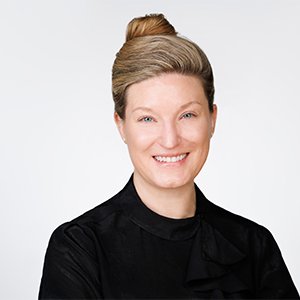
Katherine M. Robiadek
Katherine M. Robiadek is Assistant Professor in the Department of Political Science and Core Faculty in the honors program in "Philosophy, Politics, and the Public" at Xavier University in Cincinnati, Ohio. Robiadek is a political theorist whose research focuses on the role of imagination in works by early modern political thinkers. Her book manuscript, A Renaissance of Imagination, examines imagination in the respective political epistemologies of Machiavelli, Hobbes, Cervantes, and Spinoza. She also works on contemporary civic education and democratic leadership, serving as an advisory board member for the National Survey of Student Leaders housed at The University of Akron’s Bliss Institute. Robiadek holds a political theory Ph.D. from the Department of Political Science at The University of Wisconsin, Madison, with a minor in Early Modern Studies and a graduate certificate in European Studies.
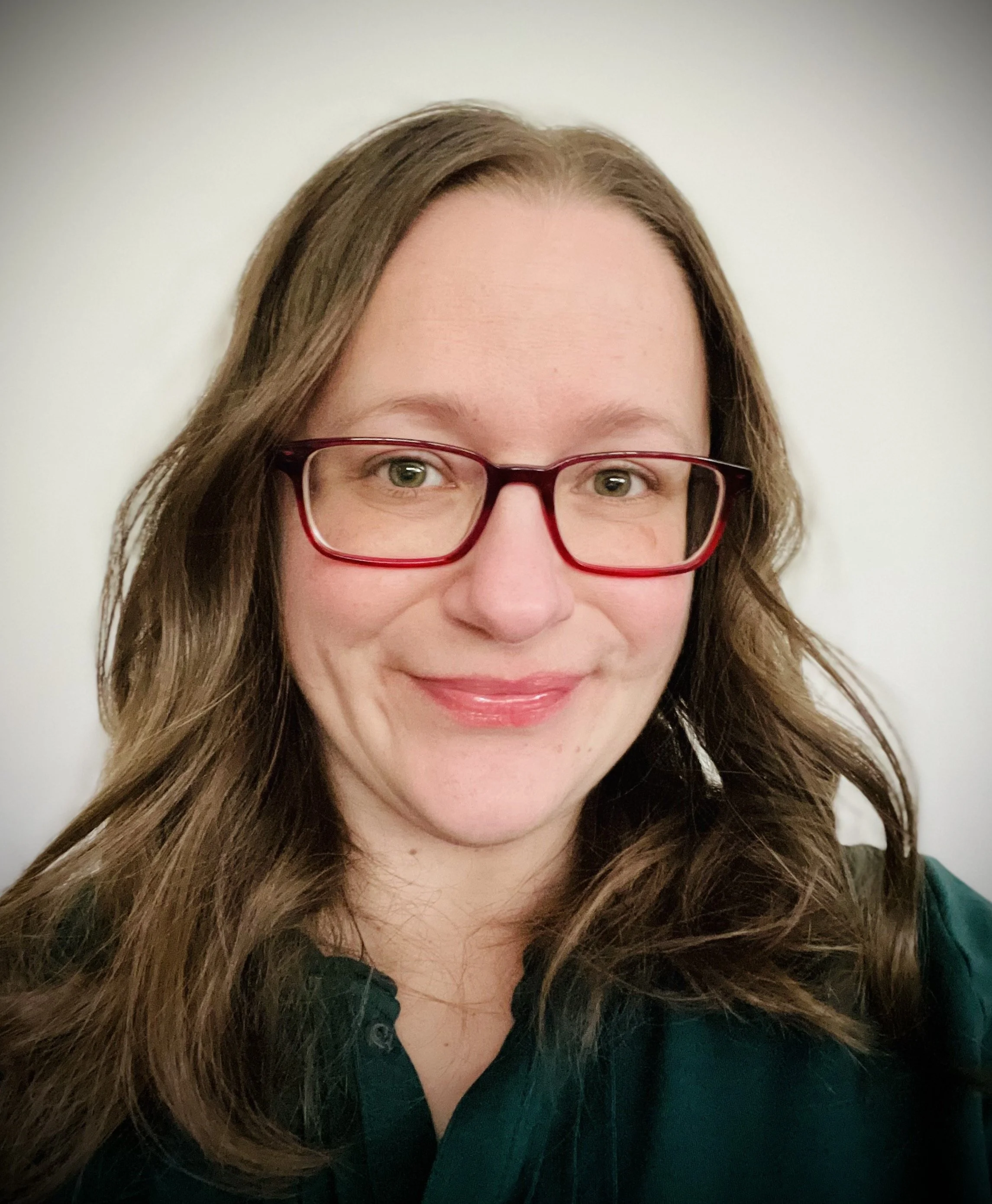
Jessica Rich
Jessica Rich is research faculty in the College of Science at Virginia Tech studying eco-social relations and the implications associated with environmental change in frontline communities. She is Co-PI on the Greenland Hazards Project, which is funded through the National Science Foundation to map geophysical change along Greenland's coasts. As an organizational communication researcher, she investigates decision-making processes, occupational identity, and emergent barriers to researcher-community engagement and collaboration. Jessica is invested in the potential for communication to create equitable workplaces and to generate just futures in the face of global environmental crisis.
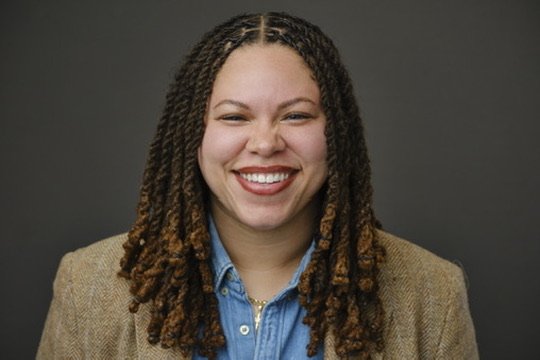
Lilliauna Hopkins
Lilliauna Hopkins is a PhD Candidate and instructor at the University of Massachusetts-Amherst. Her research interests include Black politics, American political development, democratic theory, and citizenship. She is a first-generation college student, proud HBCU alumnae, and host of Out the House Podcast. She is passionate about civic engagement, social justice, and racial equity.